





First JCC Meeting Held for Community-Based Human–Wildlife Conflict Management Project (WiCoMP)
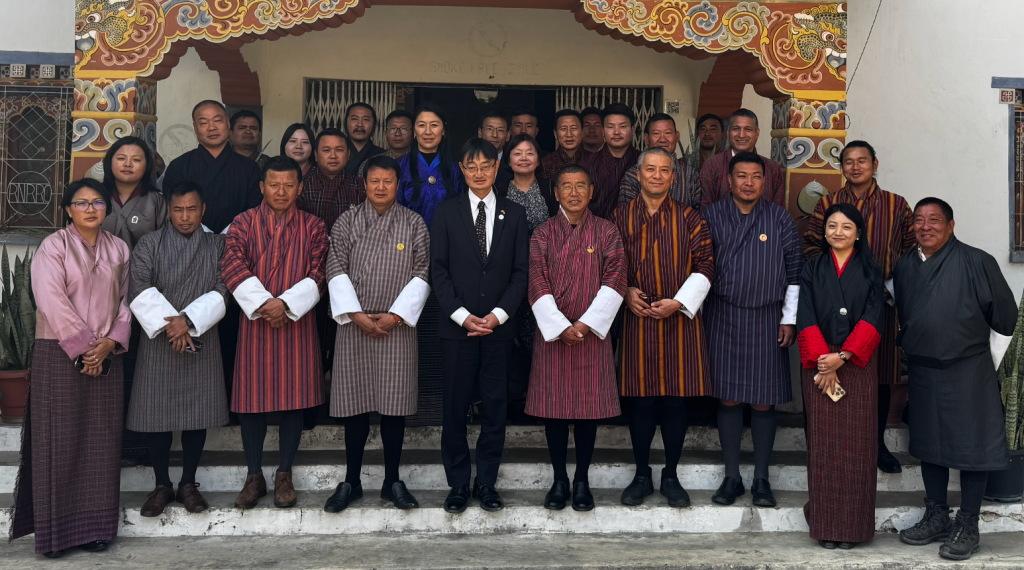
The first Joint Coordinating Committee (JCC) Meeting of the Community-Based Human–Wildlife Conflict Management Project (WiCoMP) was successfully conducted on 12 February 2026 at the Agriculture Research and Development Centre – Bajo. WiCoMP is a Technical Cooperation Project implemented by the National Plant Protection Centre under the Department of Agriculture in collaboration with the Japan International Cooperation Agency (JICA). The project is being implemented over a defined period from May 2025 to November 2028(3.5 years).
Chaired by the Director of the Department of Agriculture, the meeting brought together representatives from the Department, the JICA Bhutan Office, WiCoMP project leadership, Japanese technical experts, a representative of the Nature Conservation Division (MoENR), Local Governments, and the project technical team to review implementation progress and provide strategic guidance.
Objective of the Meeting
The JCC serves as the central coordination and decision-making platform for the project. The meeting was convened to assess overall progress, review implementation strategies, provide policy and technical direction, strengthen stakeholder coordination, and deliberate on work planning, scaling opportunities, and long-term sustainability mechanisms.
Key Highlights
In the opening session, the Chair emphasised the growing urgency of addressing human–wildlife conflict and highlighted the introduction of a prototype monkey-management technology with proven results in Japan. The need for field validation under Bhutanese farming conditions and the potential for scaling successful interventions were underscored.
The Chief Representative of the JICA Bhutan office reaffirmed JICA’s continued commitment to supporting Bhutan through technical cooperation and expressed confidence that validated technologies from WiCoMP could be institutionalised within national programmes.
Project Updates
The Project Director presented the project framework, rationale, and strategic approach, noting Bhutan’s priority for low-cost, farmer-adoptable wildlife deterrent technologies. Limitations of existing fencing systems, particularly the high cost and labour demands of chain-link fencing, were discussed, reinforcing the relevance of WiCoMP interventions.
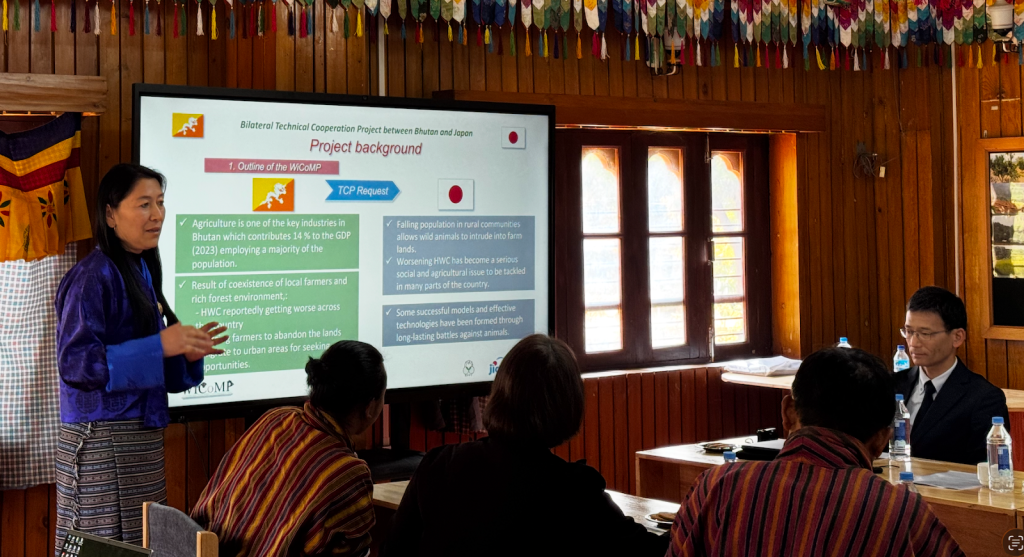
Progress updates shared by the Project Manager highlighted key milestones, including stakeholder consultations, pilot site selection, installation of fencing systems, and development of technical designs and operational guidelines.
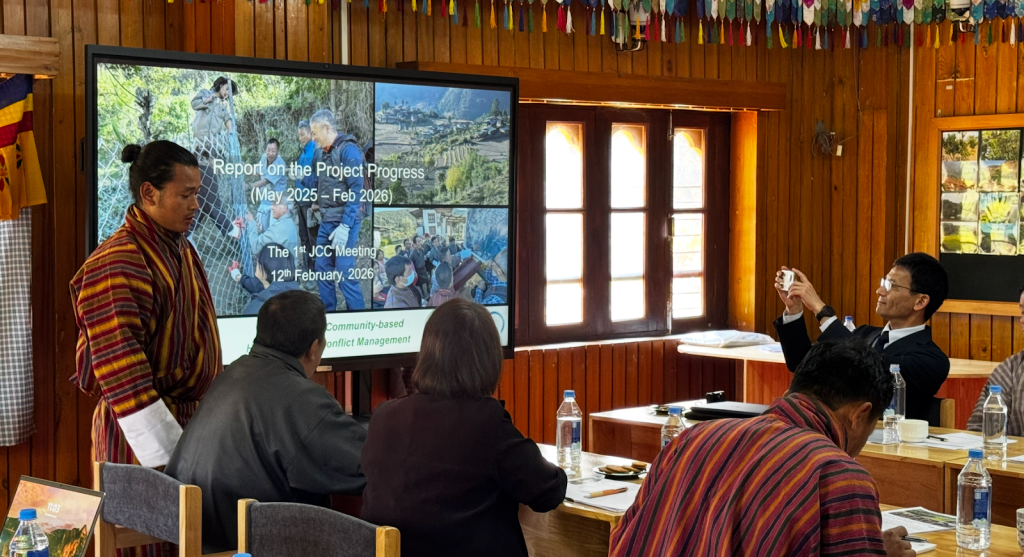
The Committee also reviewed implementation timelines. While the Chair encouraged accelerated rollout in response to urgent field needs, JICA noted the importance of adequate time and human resources to establish sustainable management systems. The proposal will be reviewed further.
Work Plan and Community Management Systems
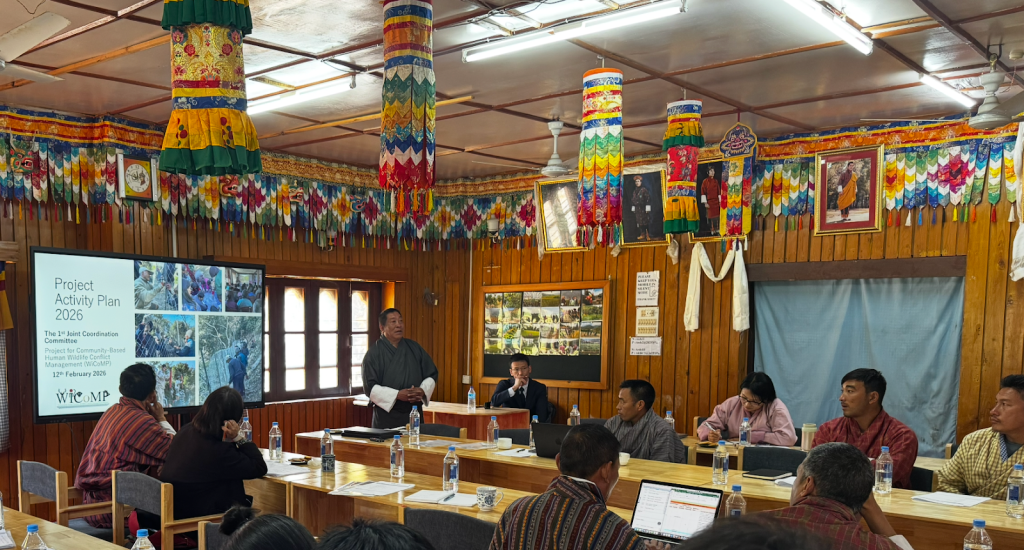
The 2026 activity plan outlined continued technology testing, development of management guidelines, and phased site implementation. Discussions clarified that NPPC/WiCoMP will facilitate the development of fence management guidelines and bylaws, while Local Governments and communities will lead the establishment of governance systems, including leadership structures, maintenance arrangements, and cost-sharing mechanisms. Local Government representatives also requested expansion of cost-effective fencing technologies as alternatives to chain-link systems.
Field Visit and Fence Monitoring
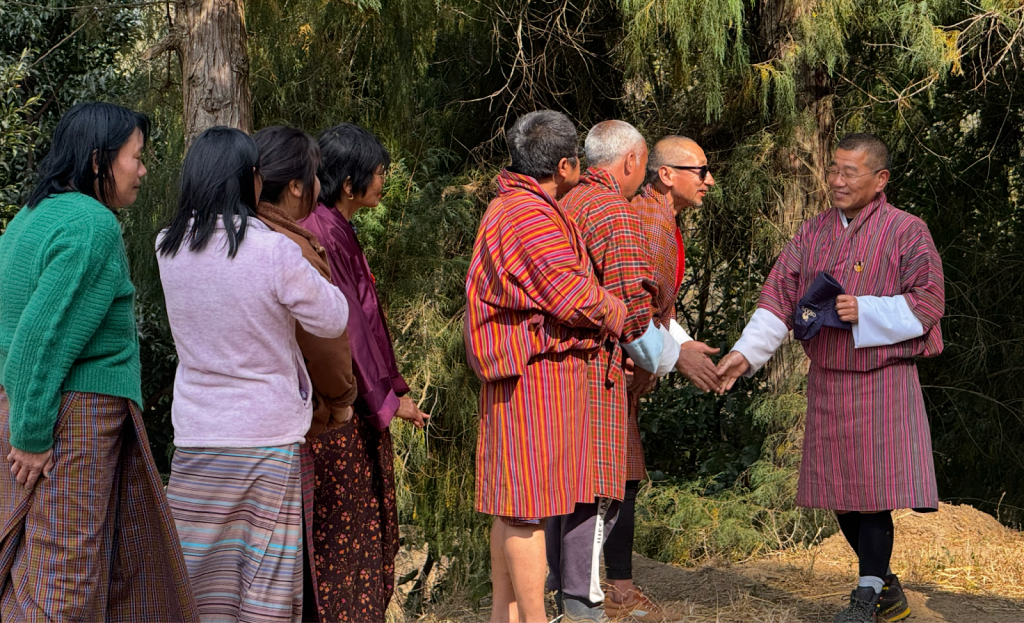
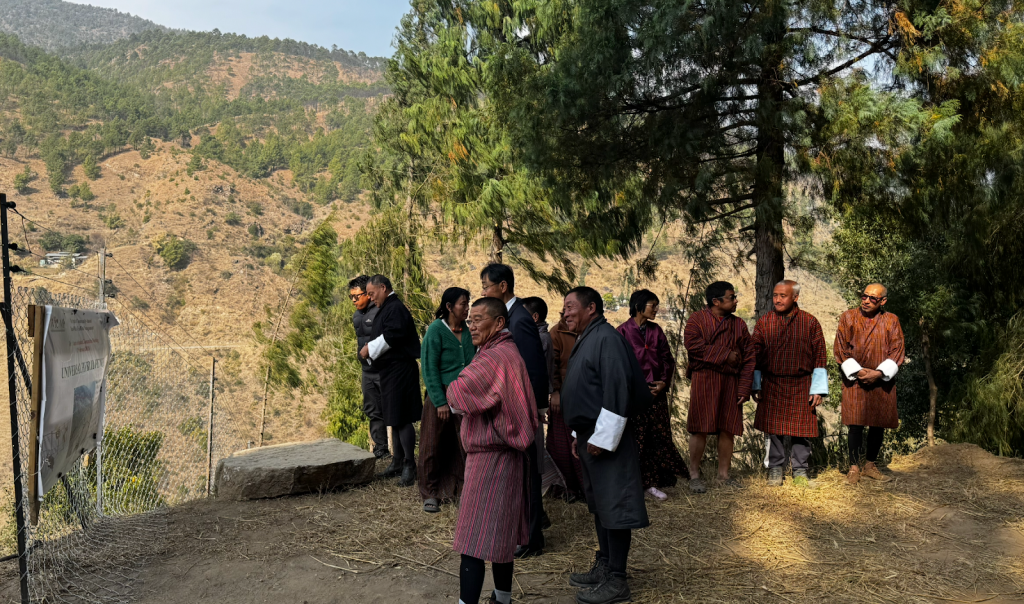
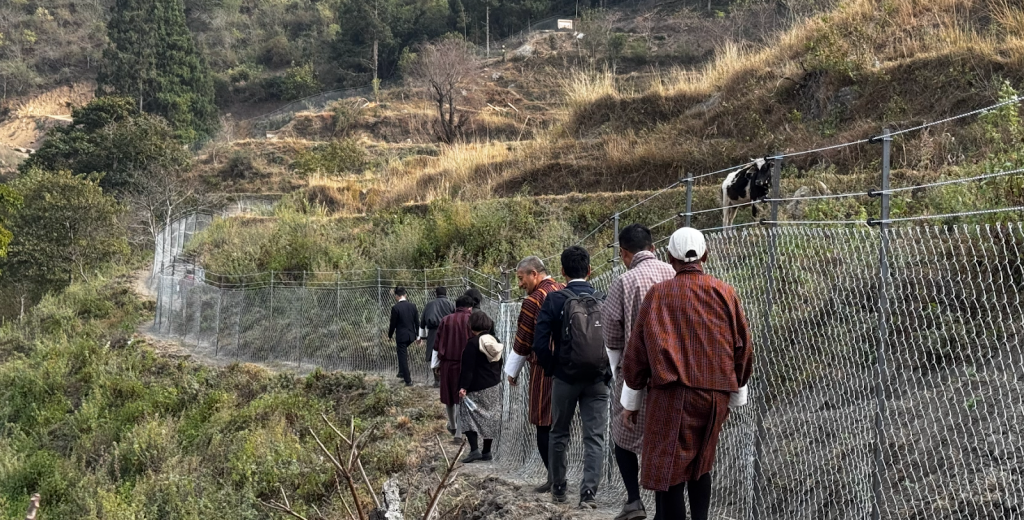
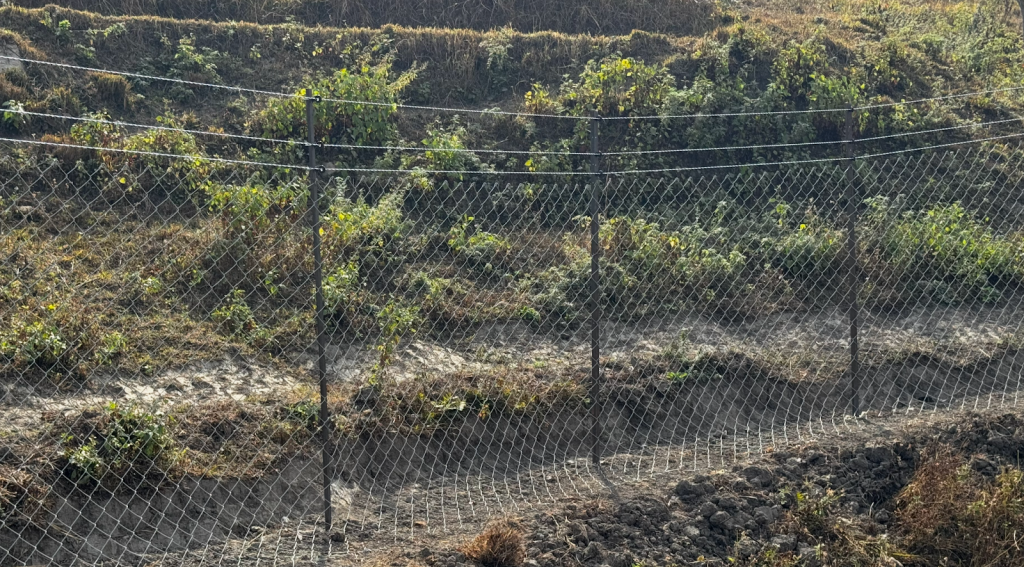
Following the meeting, participants made a field visit to Zamding in Nyalakha, Rubesa, Wangdue Phodrang, one of the project’s pilot sites. The Chair and JICA Chief Representative jointly inaugurated the first Universal Hybrid Fence installed under WiCoMP, marking an important milestone in demonstrating innovative, climate-resilient fencing solutions for reducing crop damage.
Way Forward
Key action points included field validation of the monkey-management prototype, review of accelerated implementation options, facilitation of community governance systems, and exploration of scaling cost-effective fencing models.
The meeting reaffirmed strong collaboration among government agencies, development partners, and local communities, reinforcing WiCoMP’s role in advancing sustainable, community-led solutions for human–wildlife conflict management in Bhutan.