



A wheat disease management training program was conducted to strengthen the capacity of extension agents in disease identification, surveillance, and management. The participants include extension agents from Wangduephodrang, Punakha, Bumthang and Zhemgang Districts, Regional Plant Protection Officers and the officials from Cereal Crop Program of Agriculture Research and Development Center, Bajo. The training covered key areas including identification of major wheat diseases, application of integrated disease management strategies, standardized disease scoring methods, sample collection protocols, and the use of digital tools such as Open Data Kit (ODK) for field data collection. A total of 31 participants, including resource persons, attended the program, comprising 20 male and 11 female participants, reflecting strong male representation in extension services in this four Districts.
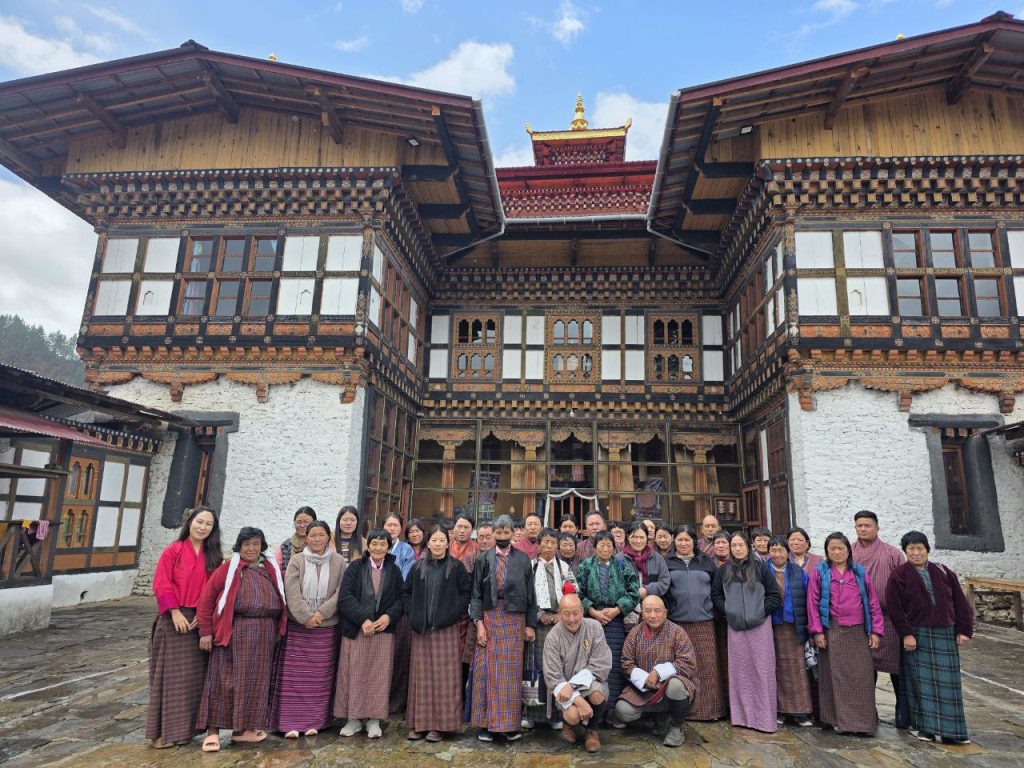
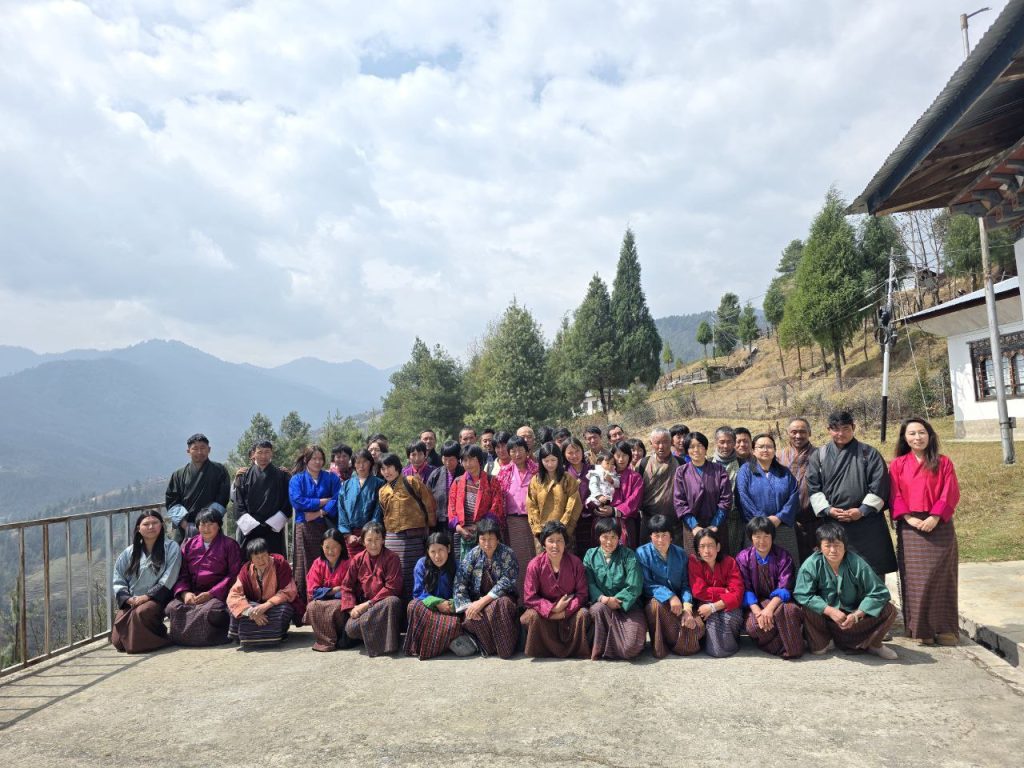
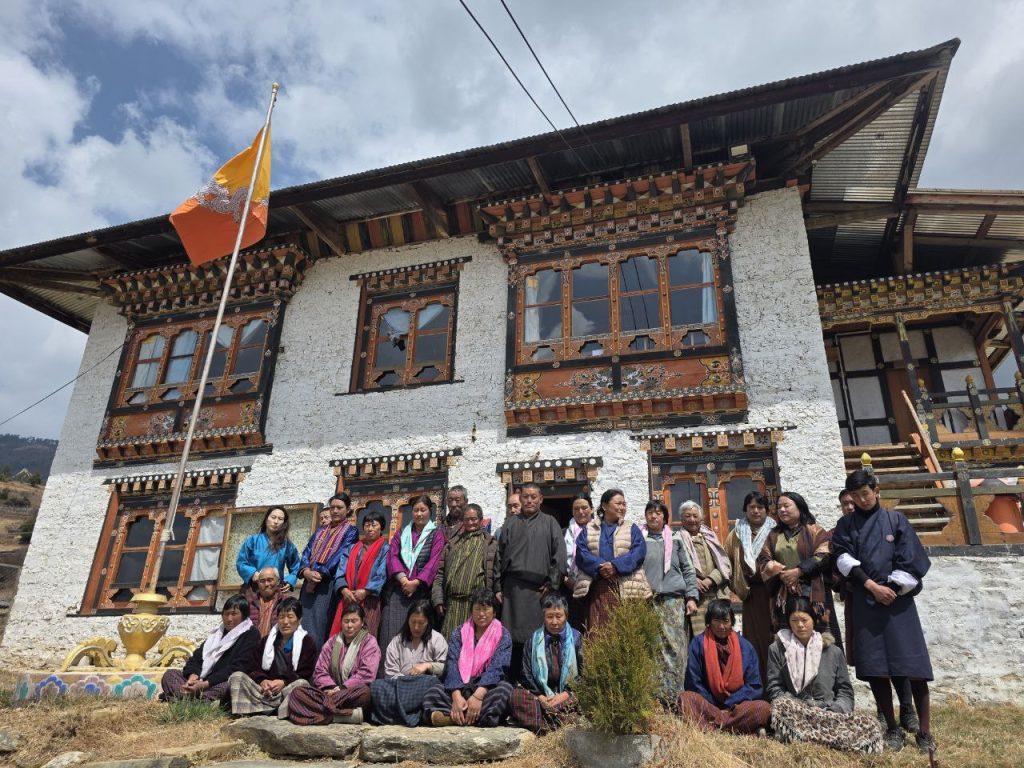
Complementary farmer awareness programs were implemented in major wheat-growing areas, including Barp in Punakha District, Nubi and Langthil in Trongsa District, and Chhoekhor and Ura Gewogs in Bumthang District. These activities reached 161 farmers (61 male and 100 female) reflecting strong female representation of farmers in contrast to the participation of extension agents. The awareness raising was focused on disease identification, management practices, and awareness of emerging and transboundary wheat diseases prevalent in neighboring countries.
The program also incorporated updates on recent wheat disease trends based on findings from previous cropping seasons, emphasizing the importance of early detection, cross-border vigilance, and coordinated surveillance.
Building on these efforts, additional training programs for extension agents are planned in Paro, Thimphu, Haa, Samtse, and Trashigang Districts. Further awareness campaigns will be conducted in Bji, Kar-tshog, Uesu, and Samar Gewogs (Haa District); Nagya and Dokar Gewogs (Paro District); and Dzomi Gewog (Punakha District) between March and May 2026. These initiatives are expected to enhance disease monitoring, strengthen advisory services, and contribute to improved wheat productivity and resilience nationwide.